Concussion
3 categories of post-concussion syndrome
Physiological
Main symptoms
- Sensitivity to light and sound
- Episodic dizziness
- Slowed speech
- Headaches worse with physical or mental effort
- Poor concentration
- Fatigue
- Nausea
Associated with
- Heart-rate and blood-pressure changes (autonomic dysregulation)
- Neurometabolic changes (blood flow and metabolism)
- Reduced cerebral blood flow
- Disturbed mitochondrial energy metabolism
- Intolerance of physical and cognitive load
Testing
- Neurological exam for cognitive, affective and motor problems
- Assessment of autonomic dysregulation
Vestibulo-ocular
Main symptoms
- Dizziness
- Poor coordination when walking
- Spatial disorientation at rest
- Difficulty tracking visually
- Blurred or double vision
- Motion sensitivity (motion sickness)
- Headaches with reading
- Light sensitivity
Associated with
- Vestibular dysfunction
- Oculomotor dysfunction
Testing
- Smooth pursuit
- Saccades (fast eye movements)
- Gaze stability
- Vestibular and visual motion tests
- Balance
- Eye-movement coordination
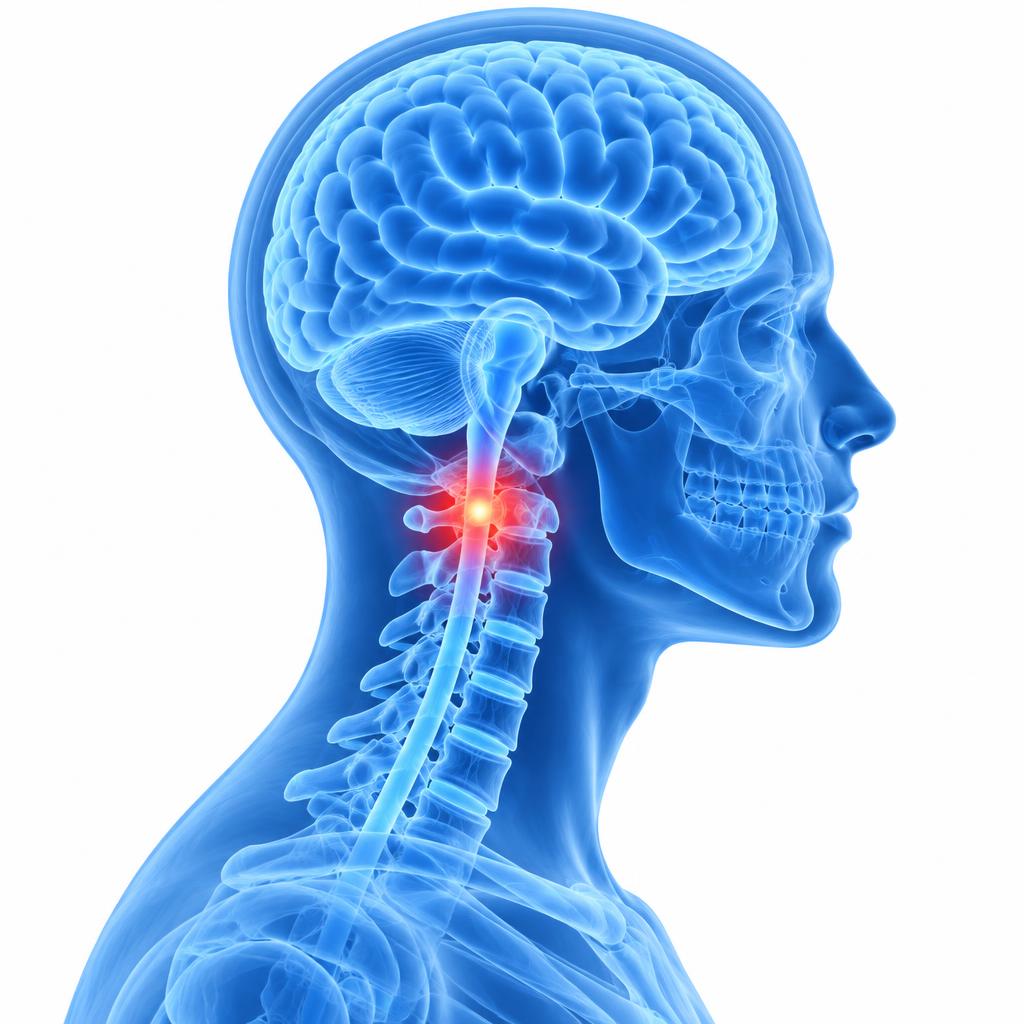
Cervicogenic
Main symptoms
- Headaches from neck overload
- Reduced range of motion and stiffness
Associated with
- Cervical spine dysfunction
- Muscle tension and poor posture
Testing
- Neurological exam
- Manual assessment
- Neck movement testing
CT and MRI are often normal in post-concussion symptoms.
QEEG and LORETA show promise in diagnosing and managing concussion.
The vestibulospinal tracts (medial and lateral) link the vestibular nuclei with the spinal cord and coordinate head, trunk and limbs. Vestibular trauma disturbs central coordination, neck and postural reflexes, causing imbalance and poor coordination.
Hemispheric injury affecting vestibular processing
- Impaired sense of position and motion
- Vestibular dysfunction
- Head and trunk tilt
- Nystagmus
- Poor visuomotor coordination
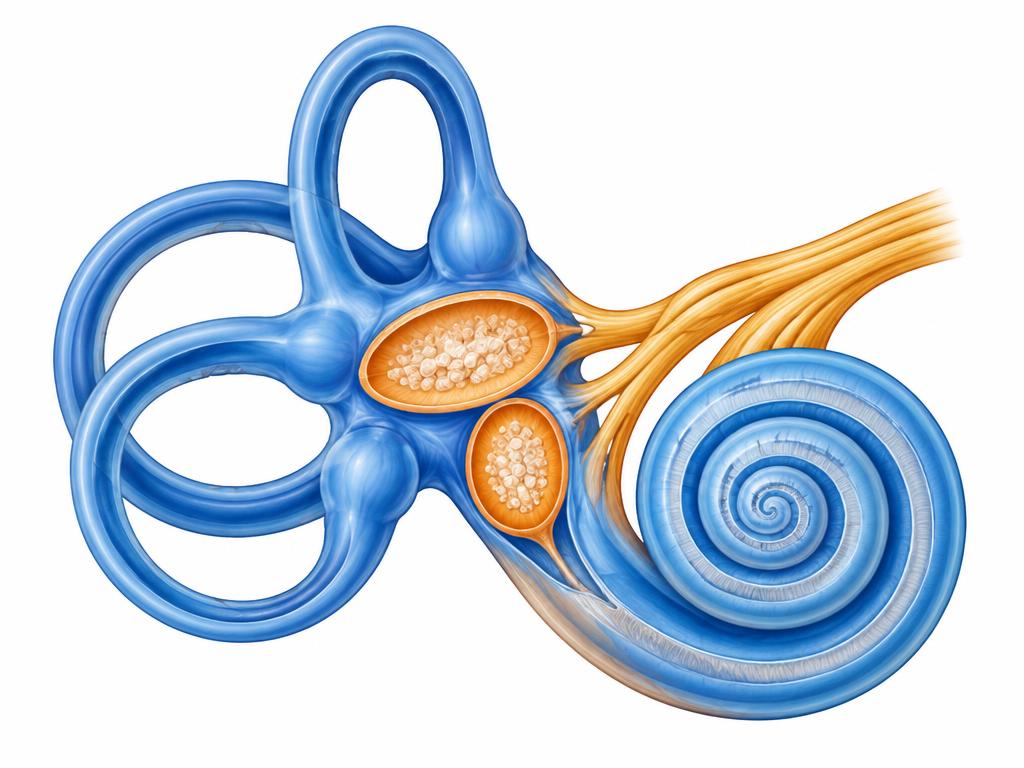 Semicircular canalsUtricleSacculeCochlea
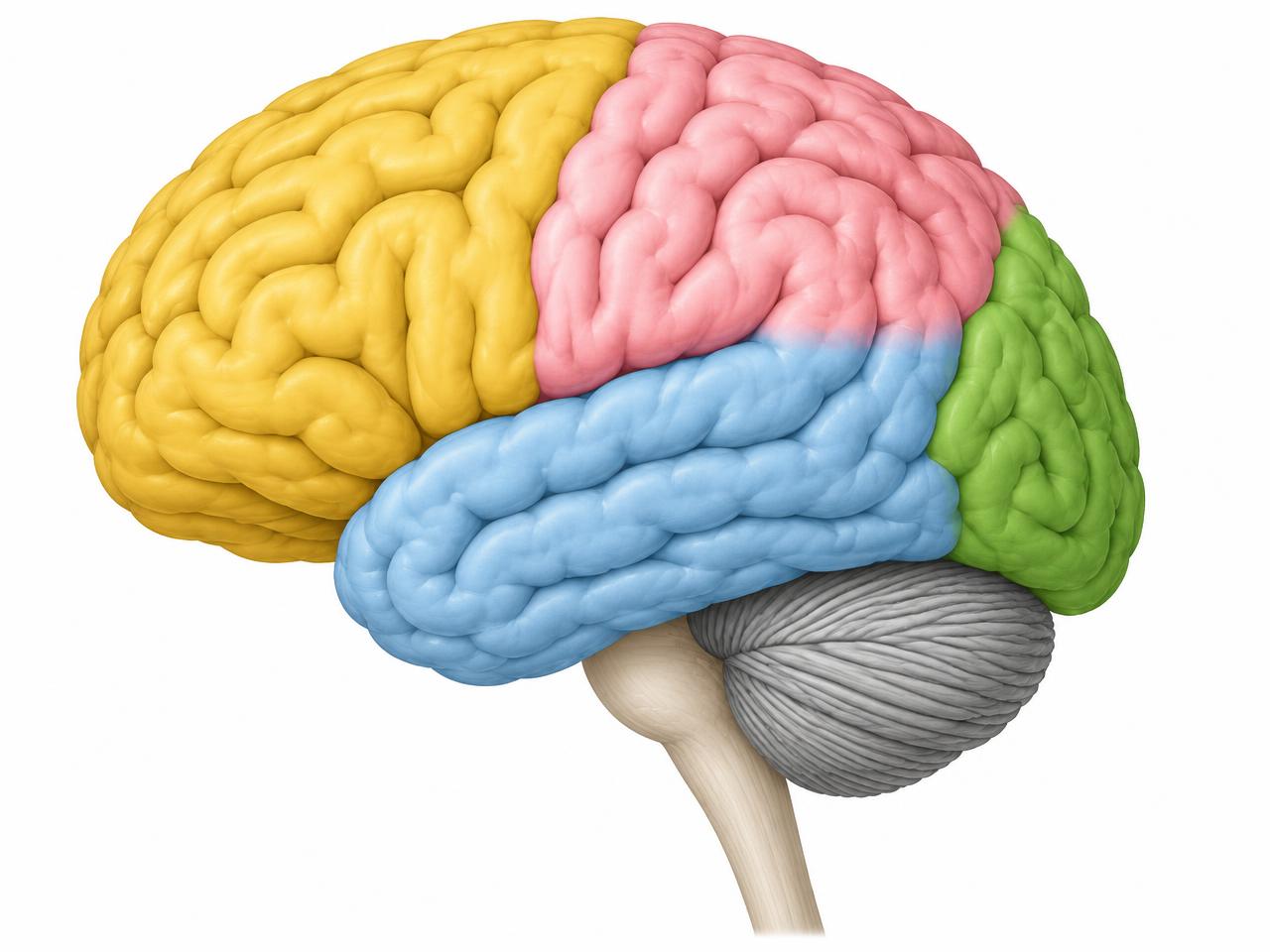 Frontal lobeParietal lobeOccipital lobeTemporal lobeCerebellumBrainstem
Vestibular nuclei
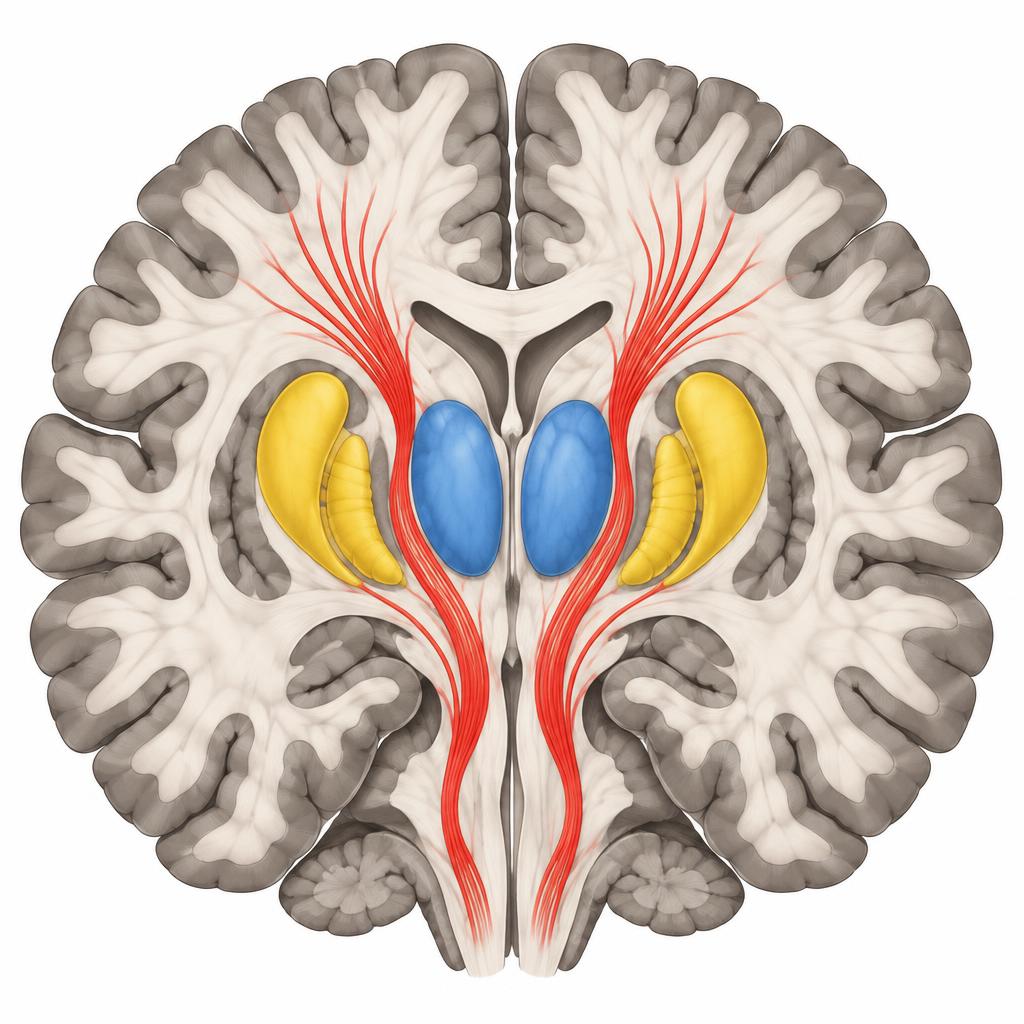
Deep (basal) ganglia linked to injury
- Motor, cognitive and limbic circuits (behaviour, emotion)
- Motor and association pathways (skills, coordination)
- Sensory gating: hypersensitivity or reduced sensitivity
- Autonomic dysregulation
Projections of the deep ganglia also include
- Motor, behavioural and emotional pathways
- Social behaviour (frontal cortex)
- Visual and striatal pathways (visual control)
- Motor pathways (globus pallidus)
Damage to projection pathways to the cerebellum and brainstem disturbs vestibular and postural function.
Secondary cortical pathway involvement
Seen in cortex (frontal, paracentral, parietal) and subcortex (thalamus, basal ganglia). It may show as:
- Disturbed gut motility
- Hyperexcitability
- Poor neuromuscular control
- Vestibular dysfunction
- Altered visceral sensitivity
- Altered visual processing
- Increased blood–brain barrier permeability (within 6 h)
Injury areas and related symptoms
Frontal lobe
- Fewer voluntary eye movements
- Attention problems
- Impulsivity
- Loss of behaviour control
- Apathy
- Increased aggression
Cerebellum
- Poor coordination
- Poor balance
- Nystagmus
- Slurred speech
- Dyscoordination
Midbrain
- Poor upright posture and optokinetic nystagmus
- Tremor
- Hyperkinesia, dyskinesia
- Reduced pupil reaction
- Altered consciousness (confusion to coma)
- Increased muscle tone (spasticity)